What Digital Transformation Teaches Us About AI Adoption
Organizations are repeating the same mistakes from digital transformation with AI. Here's what they should do differently.
Organizations are repeating the same mistakes from digital transformation with AI. Here's what they should do differently.
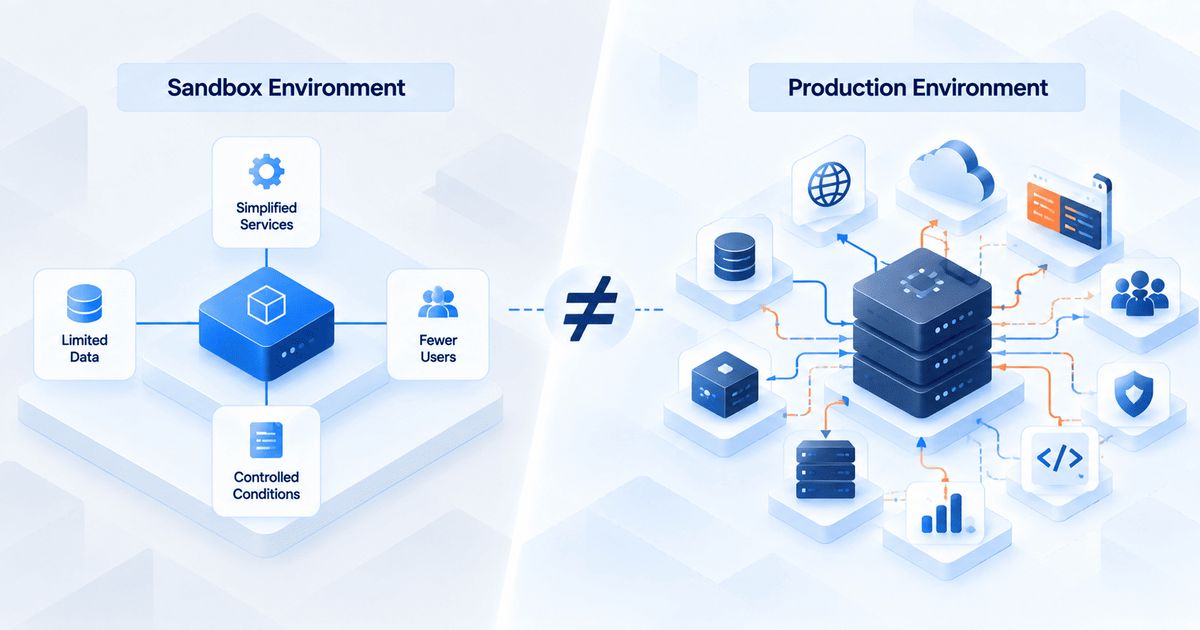
Sandbox environments always drift from production. The fix isn't perfect parity — it's keeping behavioral contracts current as upstream services evolve.
A hands-on experiment measuring how content-visibility: auto affects browser rendering activity using 150 content-heavy cards and Chrome DevTools.
Free October 2026 desktop wallpapers designed by artists worldwide. Halloween themes, autumn scenery, and multiple resolutions available.
Slack's GM Rob Seaman joins the podcast to discuss Code Channels, a new feature bringing multiplayer AI collaboration into team chat.
Strong UX ideas don't secure investment alone. Learn how to define business value, calculate costs, test causality, and build a credible ROI case.
Landlock lets a Linux process restrict its own filesystem access using three syscalls and no root. It's been in the kernel since 2021.
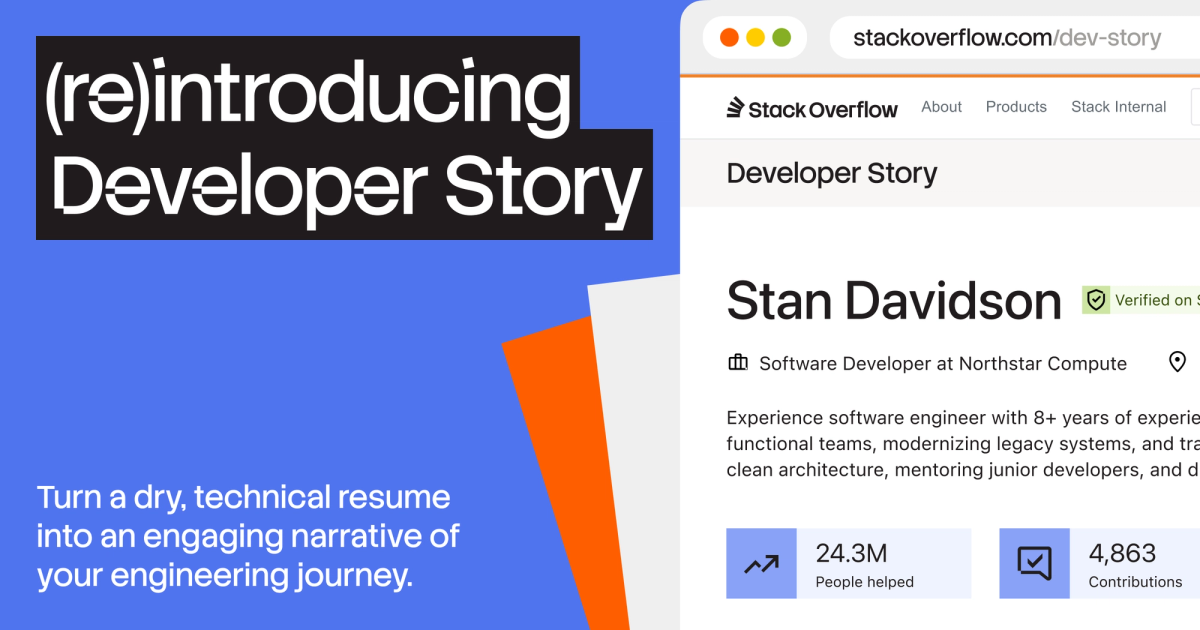
Stack Overflow is relaunching Developer Story, a career and expertise showcase tool, as the foundation of a broader "Stack Identity" verification layer.
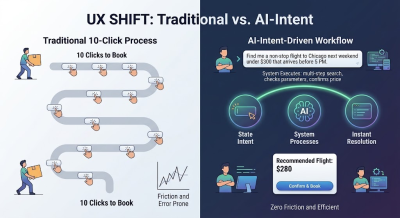
AI is pushing web design beyond menus and clicks. UX designers must shift from building visible interfaces to guiding intent-driven experiences.
CSS random() landed in Safari in late 2025, but Chrome and Firefox support is still pending. Here's how to polyfill it today.
Ten million free tokens sound generous until Monday morning. The real bottleneck is always reviewer attention, not token count.
Microservices require more than unit tests. This guide covers all three testing layers needed for reliable, production-ready services.