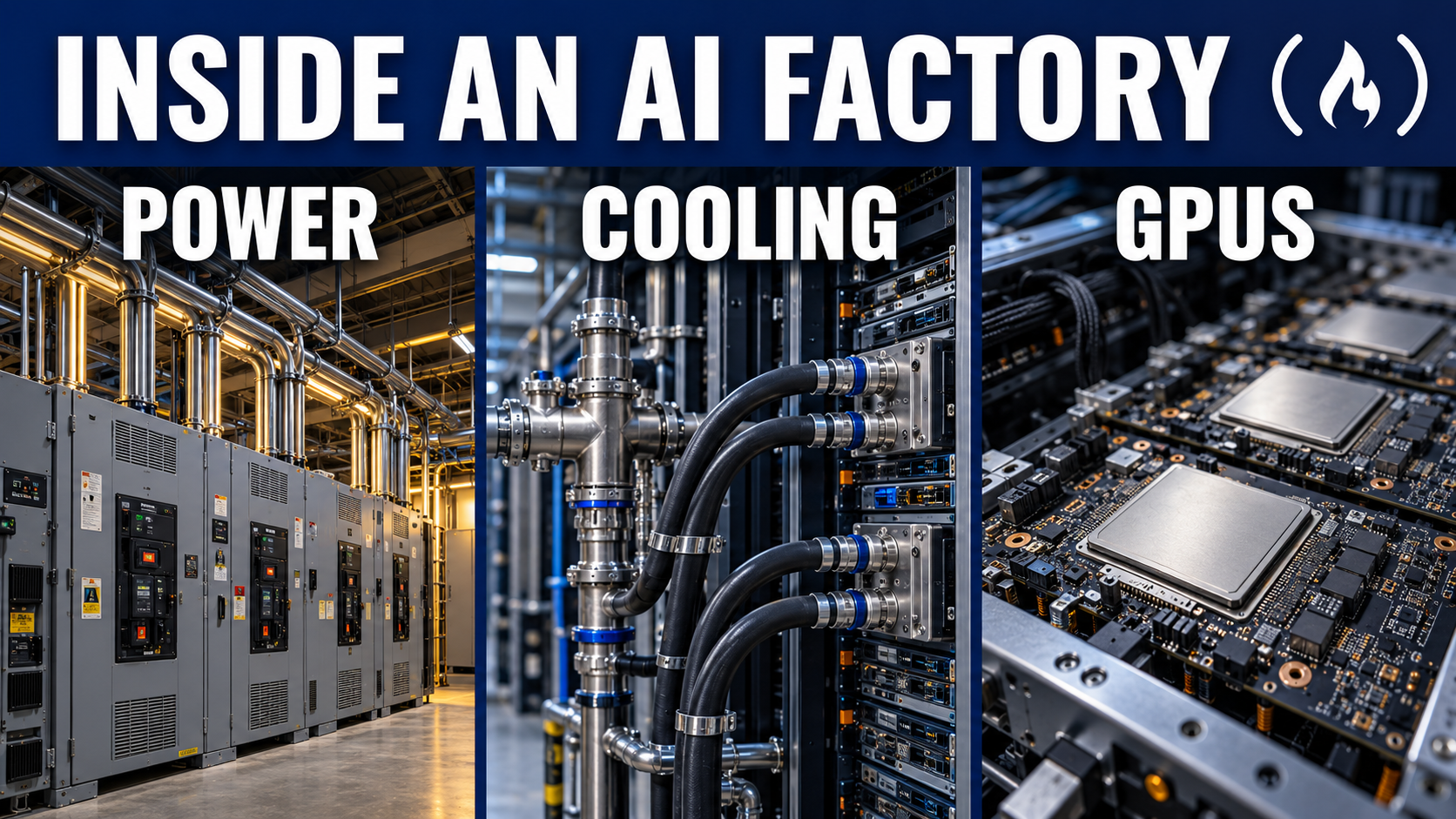
The Anatomy of an AI Data Center: Full 8-Hour Course
A free 8-hour course explores the physical infrastructure powering modern AI, from power grids to GPU clusters and liquid cooling systems.
A free 8-hour course explores the physical infrastructure powering modern AI, from power grids to GPU clusters and liquid cooling systems.
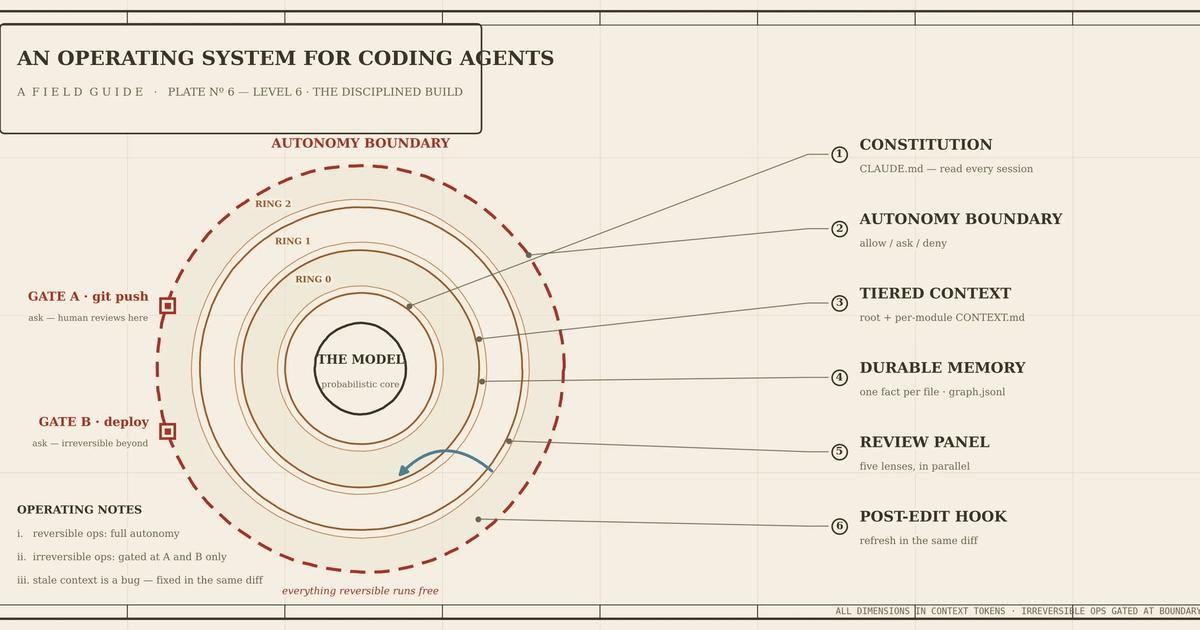
Agent quality decays without the right harness. Six artifacts and a loop keep coding agents reliable across months of work.
A free 10-hour Kotlin course covering fundamentals through coroutines and reactive streams is now available on YouTube.
AGI Inc. founder Div Garg explains how on-device AI models enable autonomous mobile agents across third-party apps without cloud dependencies.
Paddle has no native affiliate platform. Here's the webhook-based approach SaaS teams use to make it work with third-party trackers.
freeCodeCamp published a free 8-hour course on building AI agents with Claude. It prepares developers for the CCDV-F certification exam.
We tested five frontier models with and without a grounding wrapper. The results were uneven, measurable, and worth understanding before you ship agents.
API Drift Sentinel is a zero-config GitHub Action that detects breaking OpenAPI/Swagger schema changes directly in your PR workflows, running in ~50ms.
The Gamepad API is small but full of gotchas. Learn why polling is required, how browser sanitization hides drift, and how to detect faulty hardware.
Learn how AI phone agents work, from telephony and speech recognition to intent detection, function calling, and post-call processing.
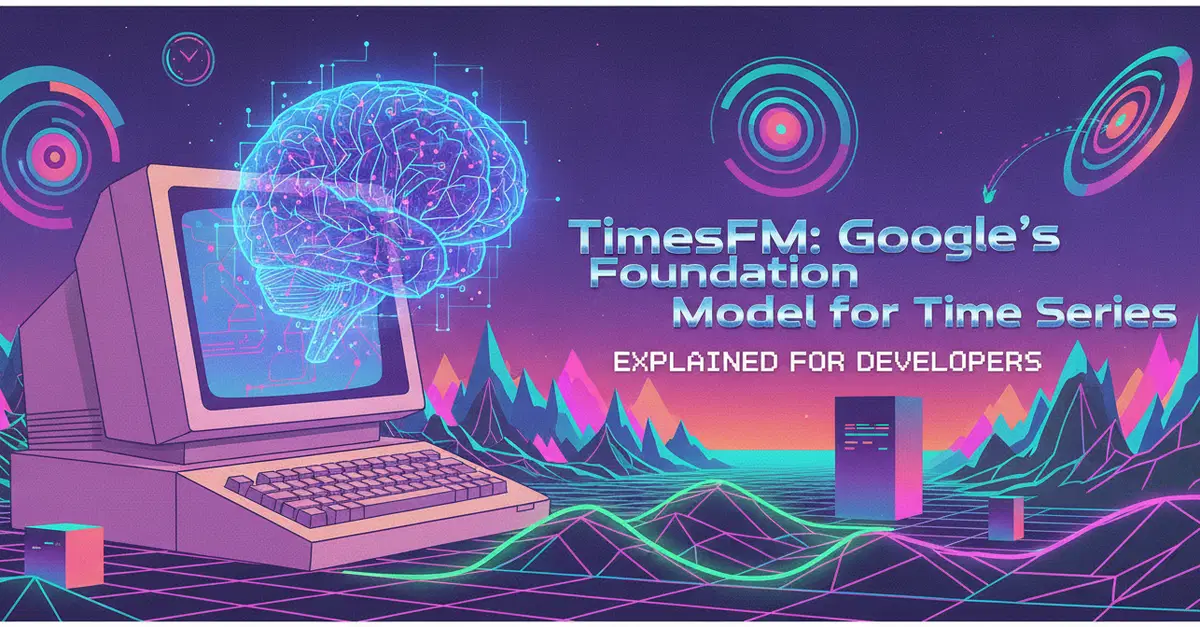
TimesFM is Google's pretrained model for zero-shot time series forecasting. No training loop, no hyperparameter search — just pass in your data and get forecast
Edition 18 of What's !important covers tooltip UX, the geolocation element, MicroLighter, flex-wrap: balance, and recent browser releases.